1.IDEA 1: Data Obfuscation Proxy Bot
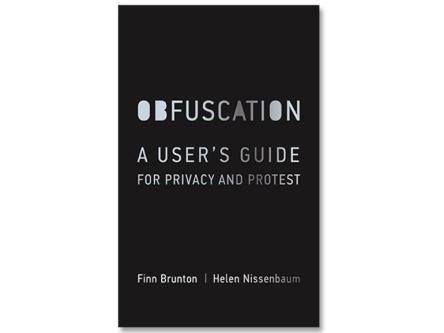
I’d like to understand further the implications of Data Obfuscation in a Connected World and continue to develop my previous assignment to answer some of these questions (Thanks, Joey!):
- Investigate how obfuscation impact everything
- How might having a chrome extension that adds other reactions as well add to the complexity of your obfuscated profile?
- What might start to happen if people in your social network see you liking more controversial posts? Potentially more offensive ones?
- What starts to happen when your obfuscation attempts start to implicate other aspects of your life (e.g. job prospects, others?) ?
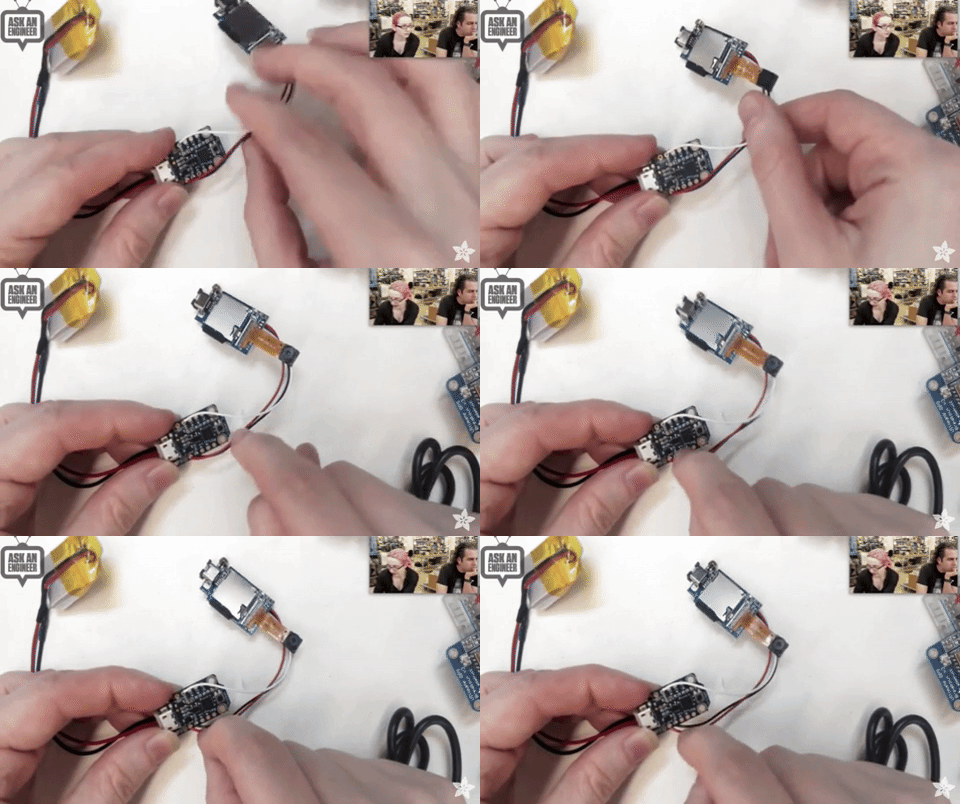
2. IDEA 2: iOT idea: Souveillance: Eyetracking what I see daily in 3x a day for 10 minutes.
- Self-awareness and comparison of “What I think I do” vs. “What I do”.
- Arduino wearable project
3. IDEA 3: Anti-Smart Cities Service Design
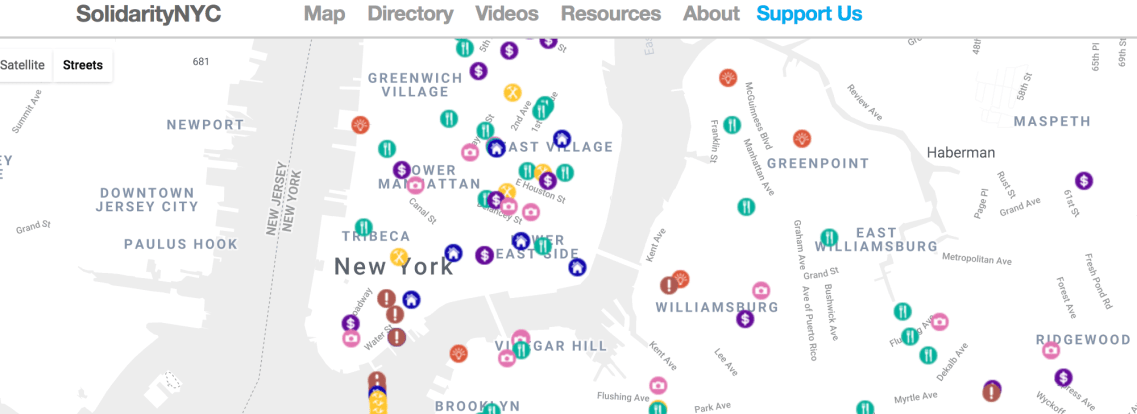
- Further Research on the Future of Algocracy and Blockchain tech as a viable solution
- Filter by identifying The Minimum Viable Data that would benefit the improvement of critical social services/ to improve design of Everyday Things (that matter in a minimalist society)
- Flesh out the idea of “Cooperativism” through interviews with CEANYC, an organization that is leading 2000+ coop member organization in NYC.

 Happy Path Journeys
Thanks for the proposals here.
A few points from our discussion in class:
Given the limited amount of time, Options 1 and 2 are maybe more manageable.
Regarding option 1: you might focus in on one of those questions and design or develop a solution or commentary on that one question. Exploring these questions definitely seem much more about scenario building as a way of communicating the implications of the obfuscation bot method
Option 2: The project by Alberto Frigo – https://petapixel.com/2015/02/25/this-guy-has-taken-a-picture-of-everything-his-right-hand-has-touched-for-the-past-11-years/ – is perhaps a reference to establishing rules and parameters for when a photo might be taken, at which frequency, etc. When doing data collection with sensors it is important to be able to define what your sampling rate is, the resolution, accuracy, precision, how to deal with memory and power requirements, and more. While building a DIY device is compelling for the reasons that you might be able to store your data on your own server, you then have to go through the process of building a lot of infrastructure for that system which also isn’t a small task.
Option 3: It’s a big project that might take more than a couple weeks to parse through. If you still want to go in this direction, I would encourage you to pick one narrow focused aspect of it and then unpack the issues within that one aspect.
Comments on presentation:
Your interests and passion always shines through when you present your work, so that’s totally great. One suggestion I might give when you present in the future is to guide us through the story of your work. You might try to imagine what the narrative arc of your project starting with some setup/hook, the problem statement or hypothesis, and then launch into your proposal or project. Sometimes I have the feeling you skip a few of the initial setup / hooks and jump too quickly into your idea. Part of what makes a project convincing is getting us to invest in the plot/the characters/ the issues! You’re a storyteller, tell us a story! 🙂
Meta:
You mentioned early in the class that you wanted to do more visualizations and it seems your proposals move away from that. Just something I had in mind – I don’t want to sway you one way or another, but if you’ve been collecting info that might be rendered into some compelling or expressing visuals, you might also do that as a way of pushing your visual self.
Hope it’s all coming along! Lookign forward to seeing the developments.
LikeLike
Very cool set of proposals. +1 to Joey’s comments.
For Option 1 (my fav): Might be cool to also point people to references or tools based on their obfuscation interests/needs; this would take your project in a slightly different direction, but there might be a lot of value in just providing an online quiz that “profiles” them for privacy and points them too cool tools in this space (like the Data Detox Kit, things like Security Planner (https://securityplanner.org/#/), tools like Lumen for Android (https://play.google.com/store/apps/details?id=edu.berkeley.icsi.haystack&hl=en), or blog posts from folks who’ve tried this kind of obfuscation see this one on Google (https://medium.com/read-write-participate/ok-google-delete-my-account-no-wait-no-really-a0f8bbd26265), or Smart Houses (https://www.bof.nl/2018/02/16/de-week-van-domme-slimme-huizen-the-disconnect-issue-one-en-de-google-coalitie/) or TOS issues (https://blog.hansdezwart.nl/2018/01/10/turnitin-user-agreement-i-disagree/ ).
LikeLike